


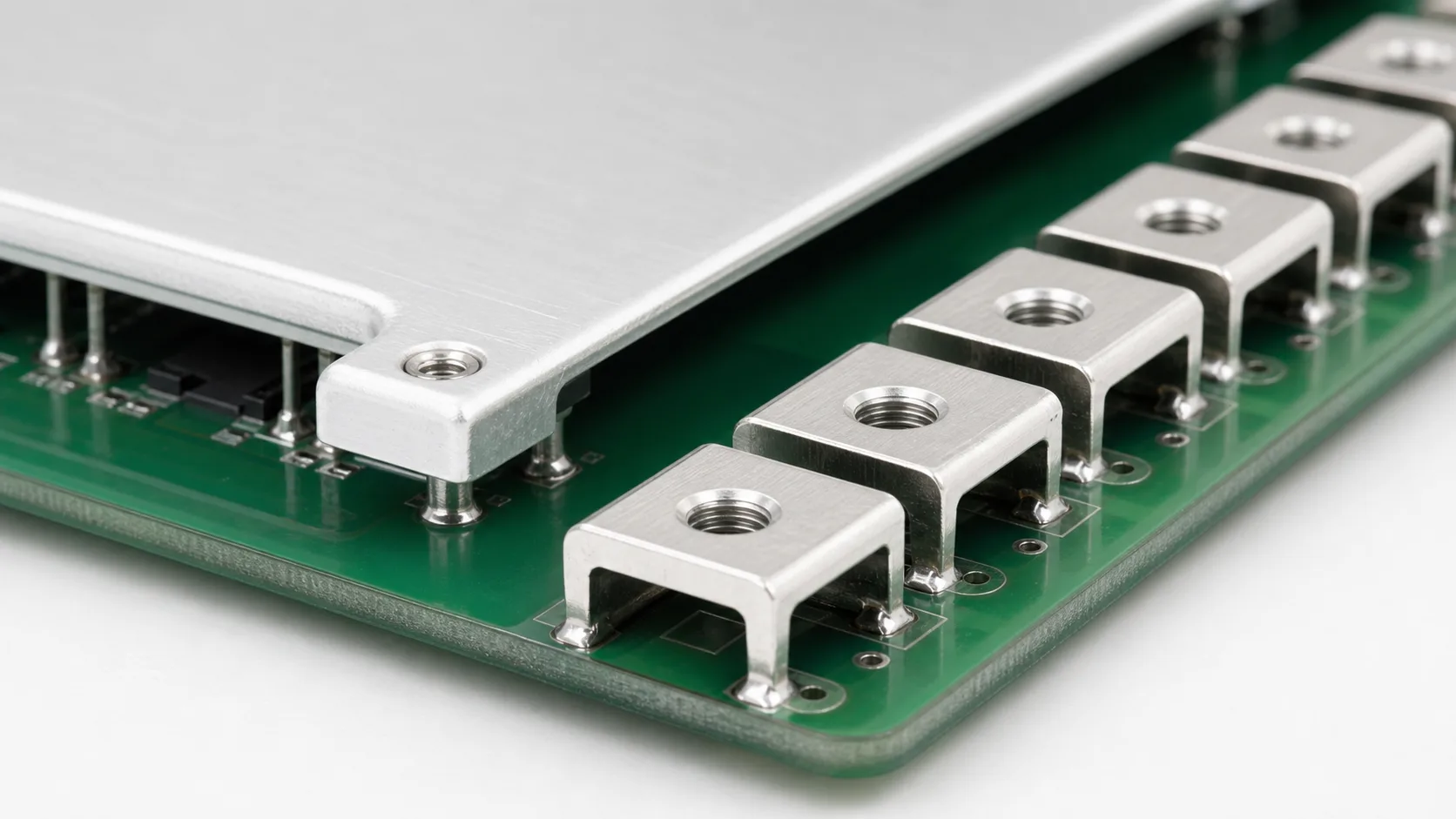
PCB welding terminal hole and pad design: solder fill, pull force and temperature rise
A practical guide to hole size, pad geometry and soldering window for high-current PCB welding terminals, including clea...
Explore Hongchuan Metals technical guides, product information and company updates. Review PCB busbar, solder terminal and SMT nut selection considerations alongside the product catalog.
A practical guide to hole size, pad geometry and soldering window for high-current PCB welding terminals, including clea...
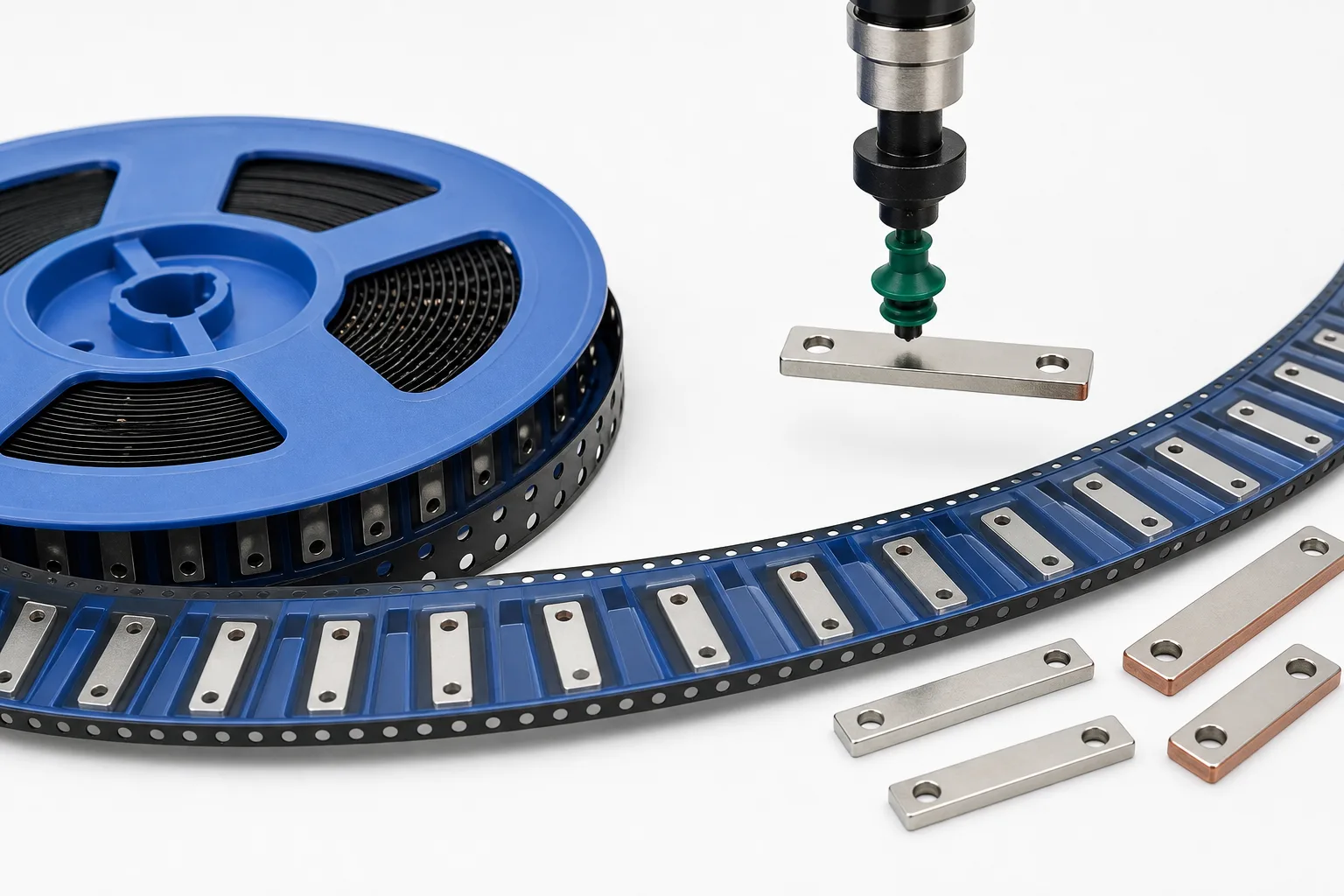
Tape-and-reel packaging guide for SMD copper busbars: carrier pocket, nozzle pickup surface, tape orientation, coplanari...
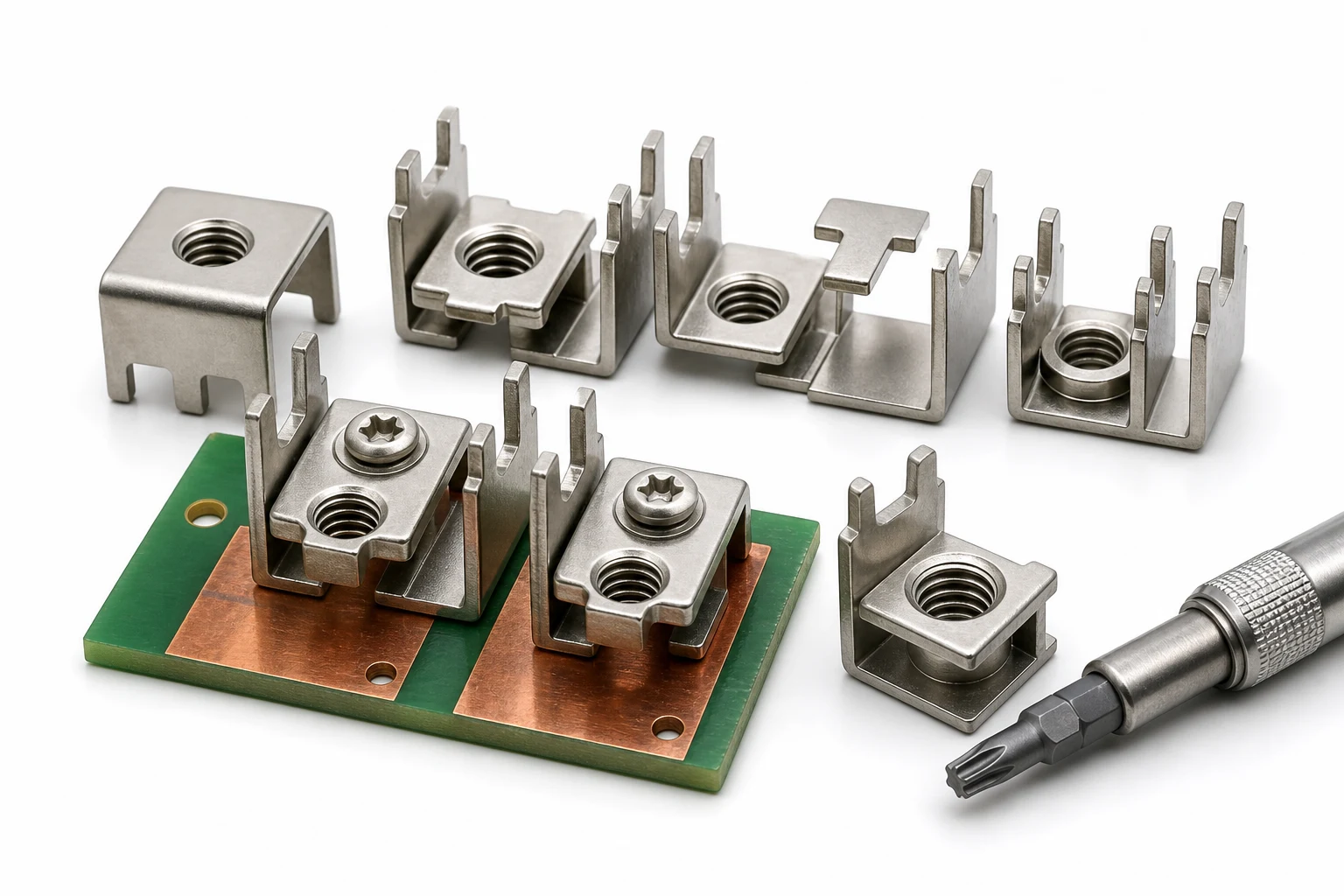
Troubleshooting guide for high-current PCB terminal loosening after thermal cycling: torque retention, contact resistanc...
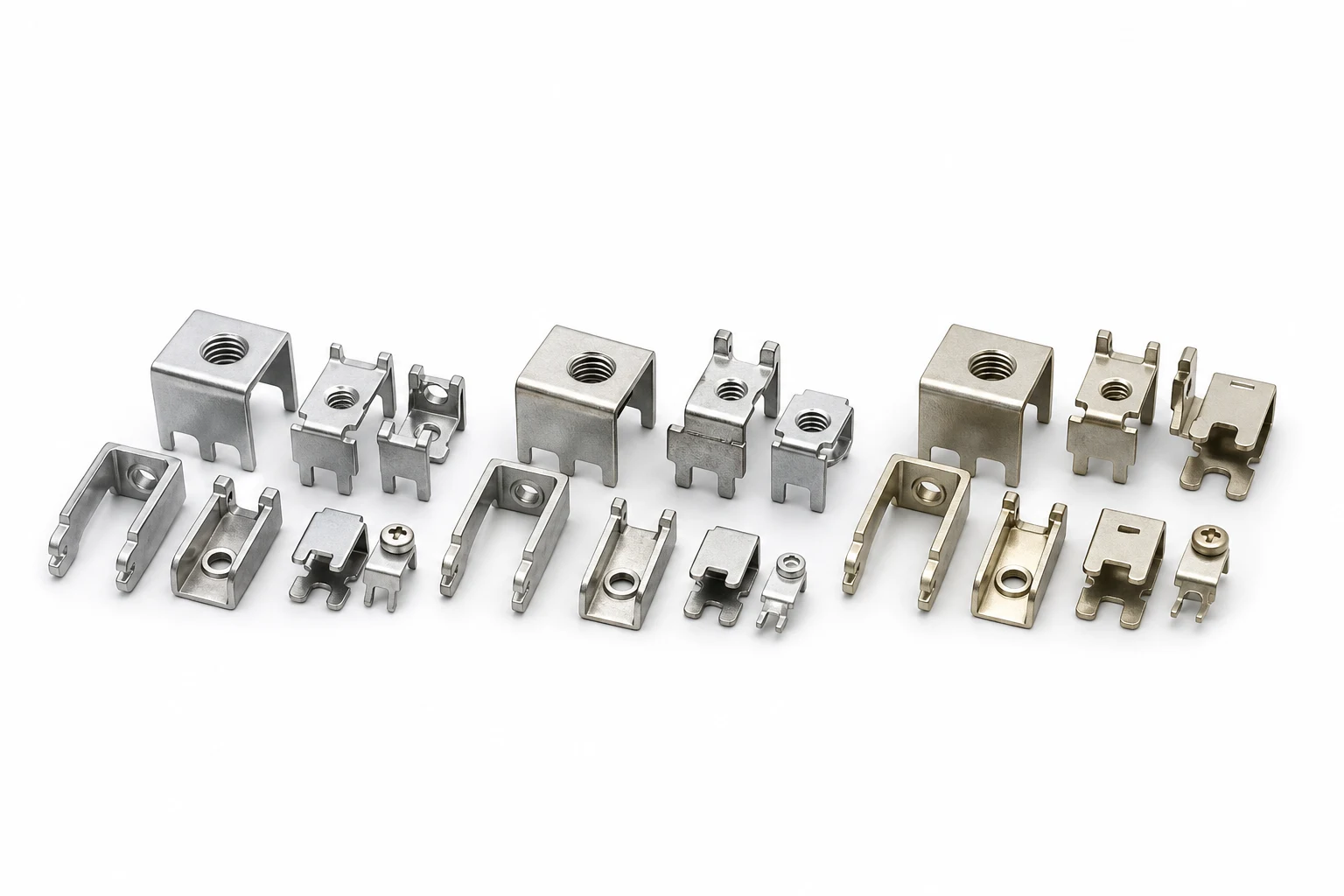
Terminal plating selection for automotive power modules: tin, nickel and silver compared by solderability, contact resis...
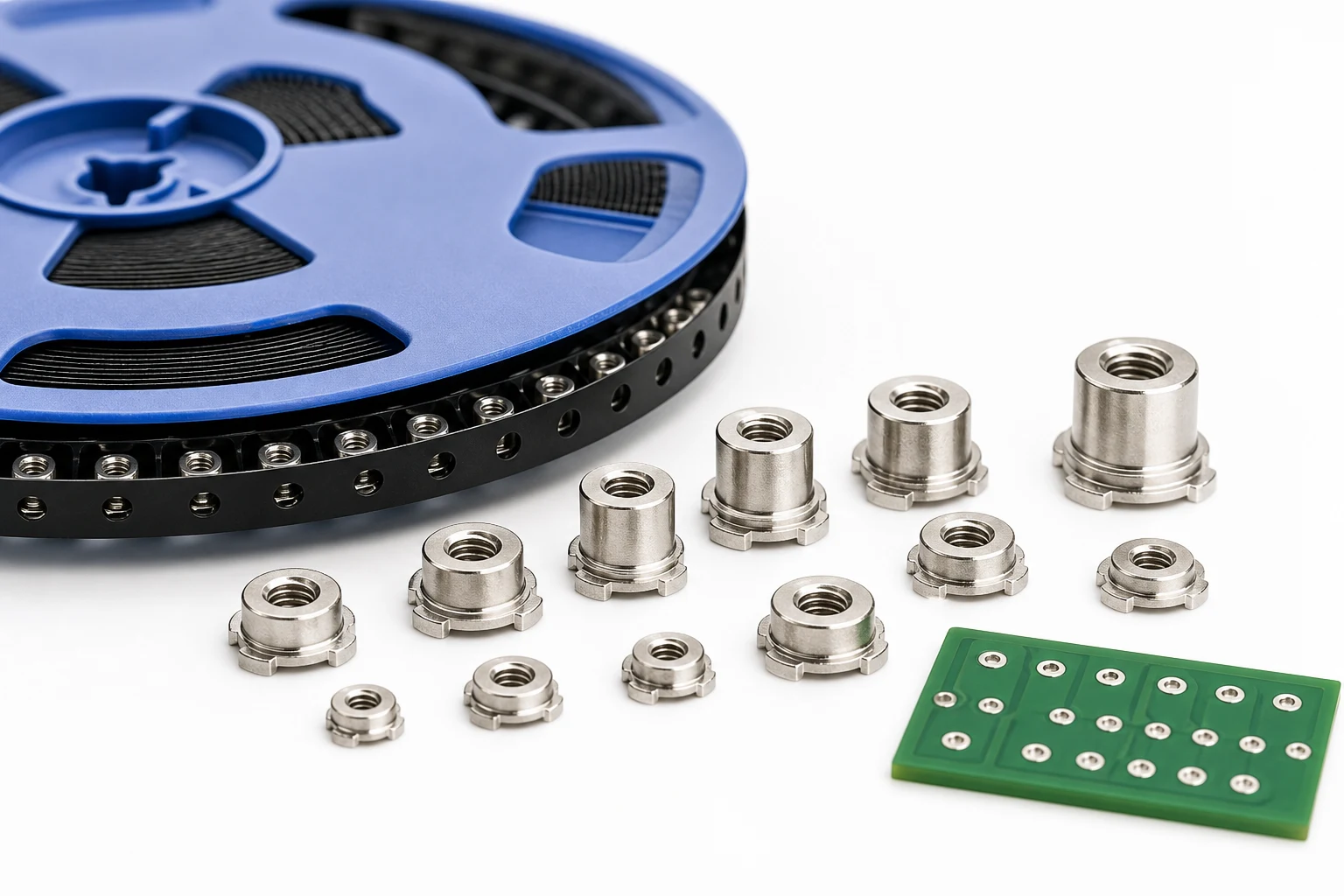
SMT nut pad design guide for reflow soldering: floating, tilting, solder volume, torque stability and automated placemen...
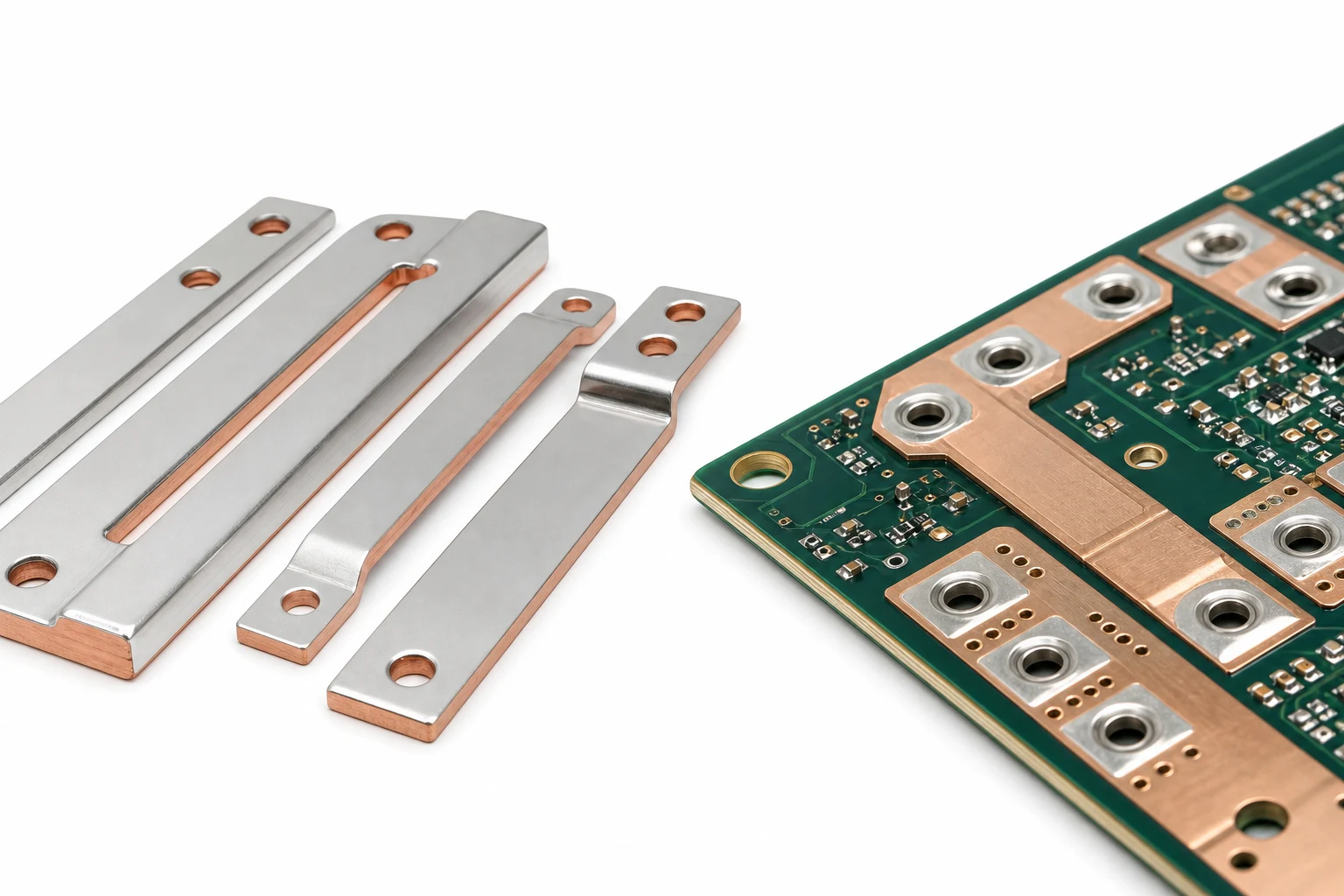
A comparison of thick-copper PCB traces and solderable copper busbars for BMS boards, local current bottlenecks, cost an...
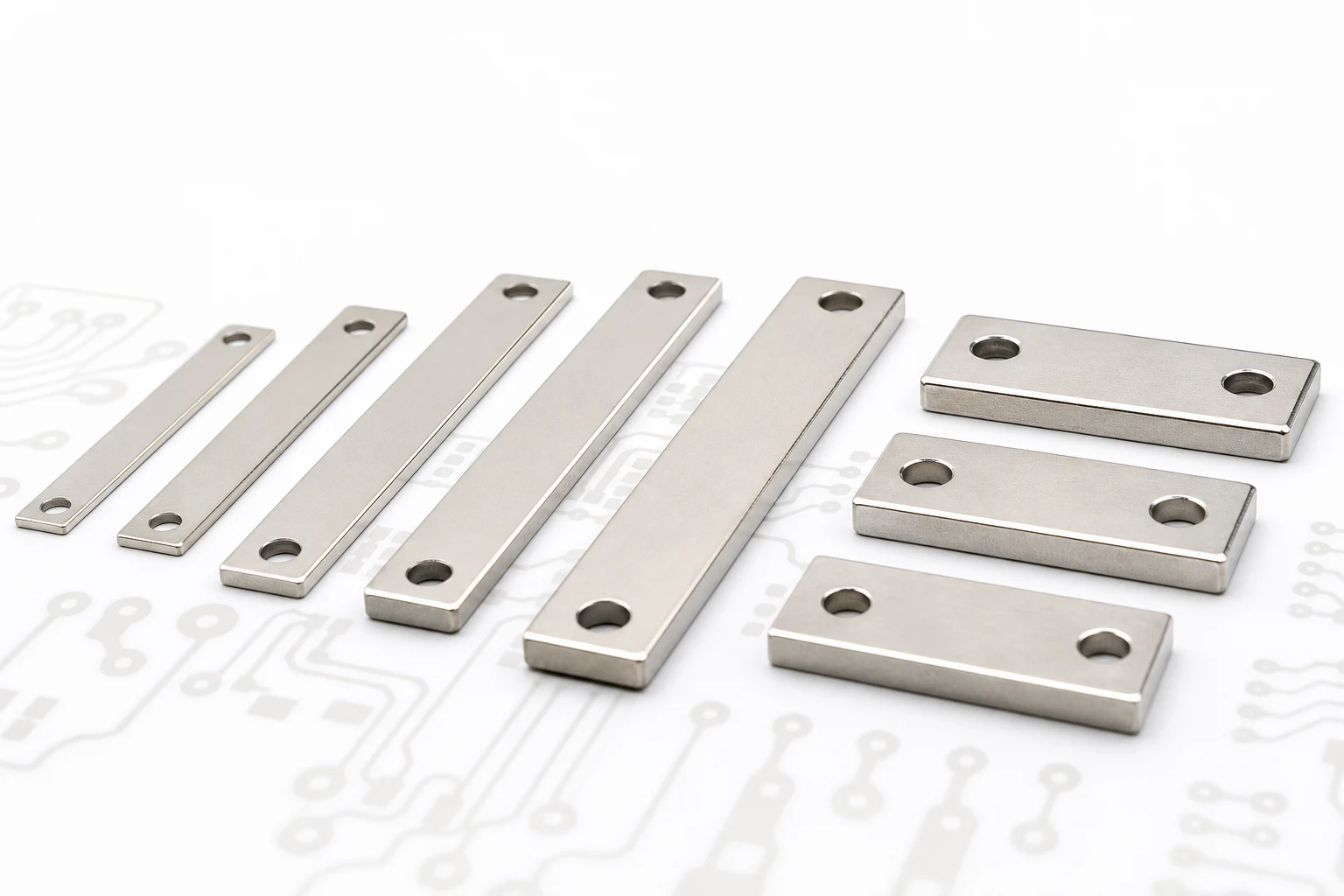
How to choose SMD busbar thickness for 40A-120A high-current PCB paths by current, temperature rise, pad exit, copper we...
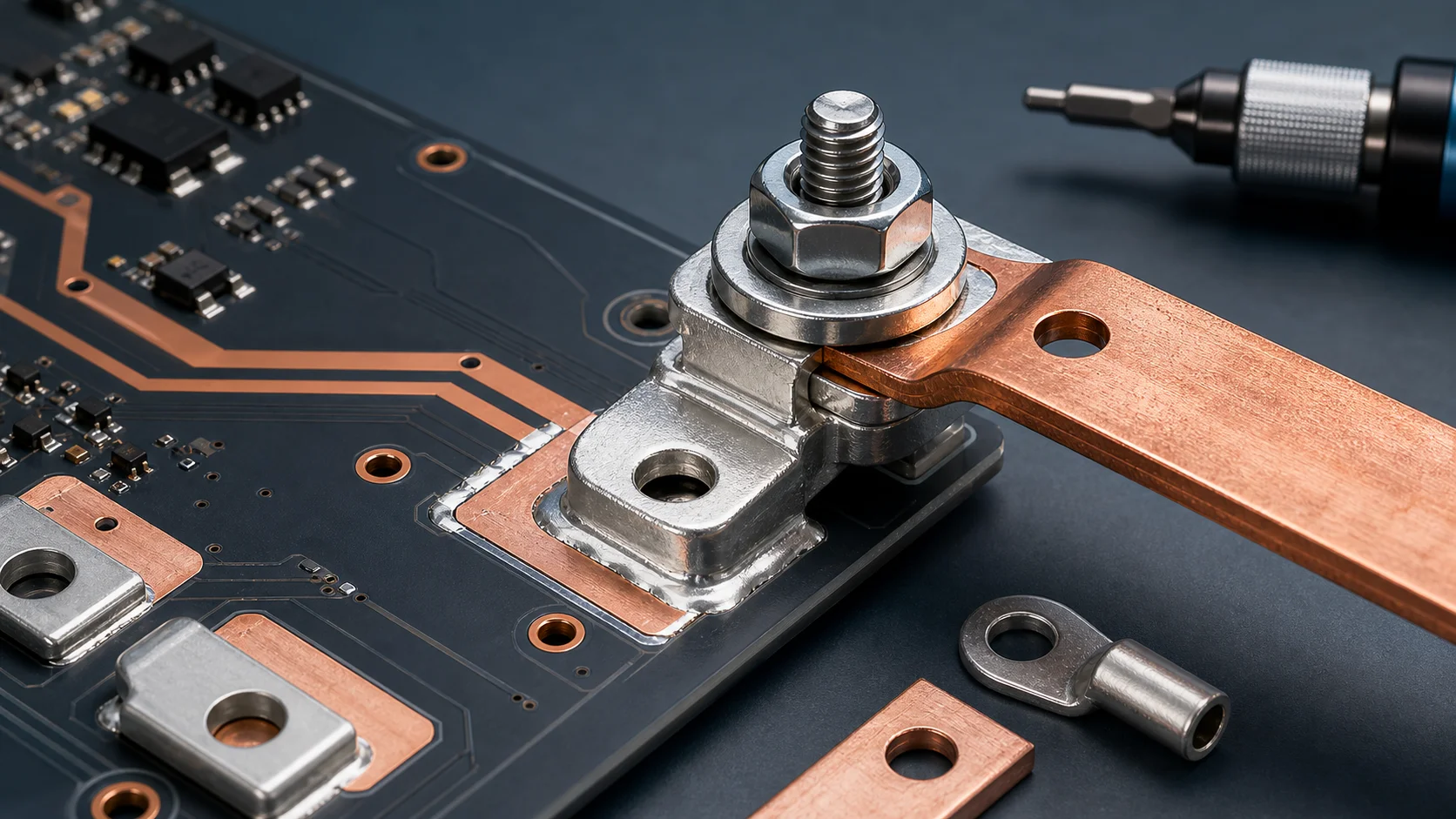
High-current terminal overheating is not always caused by an undersized terminal. Many failures come from insufficient b...
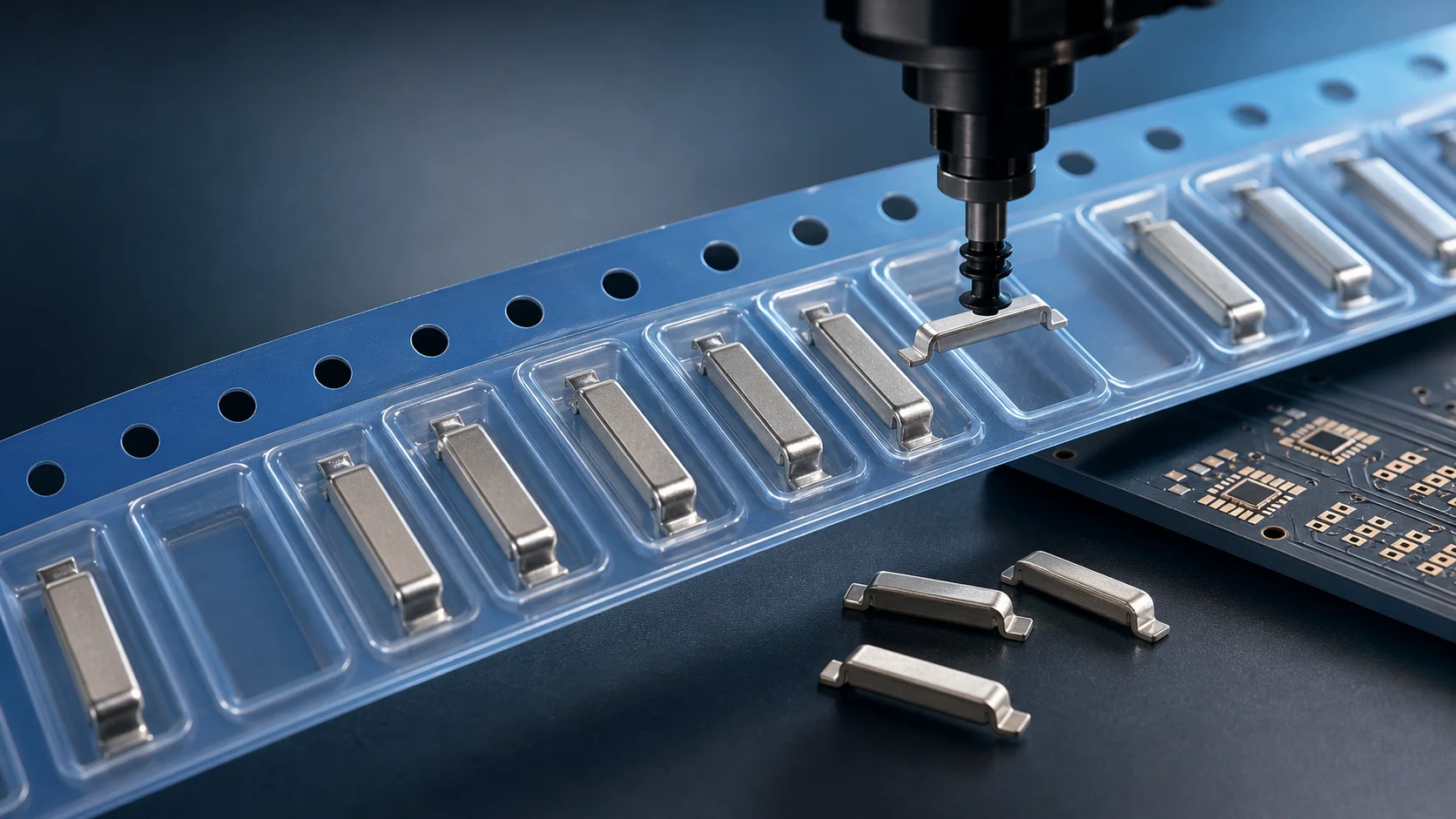
Whether an SMD copper bar can enter stable SMT production depends not only on current-carrying capacity, but also on car...
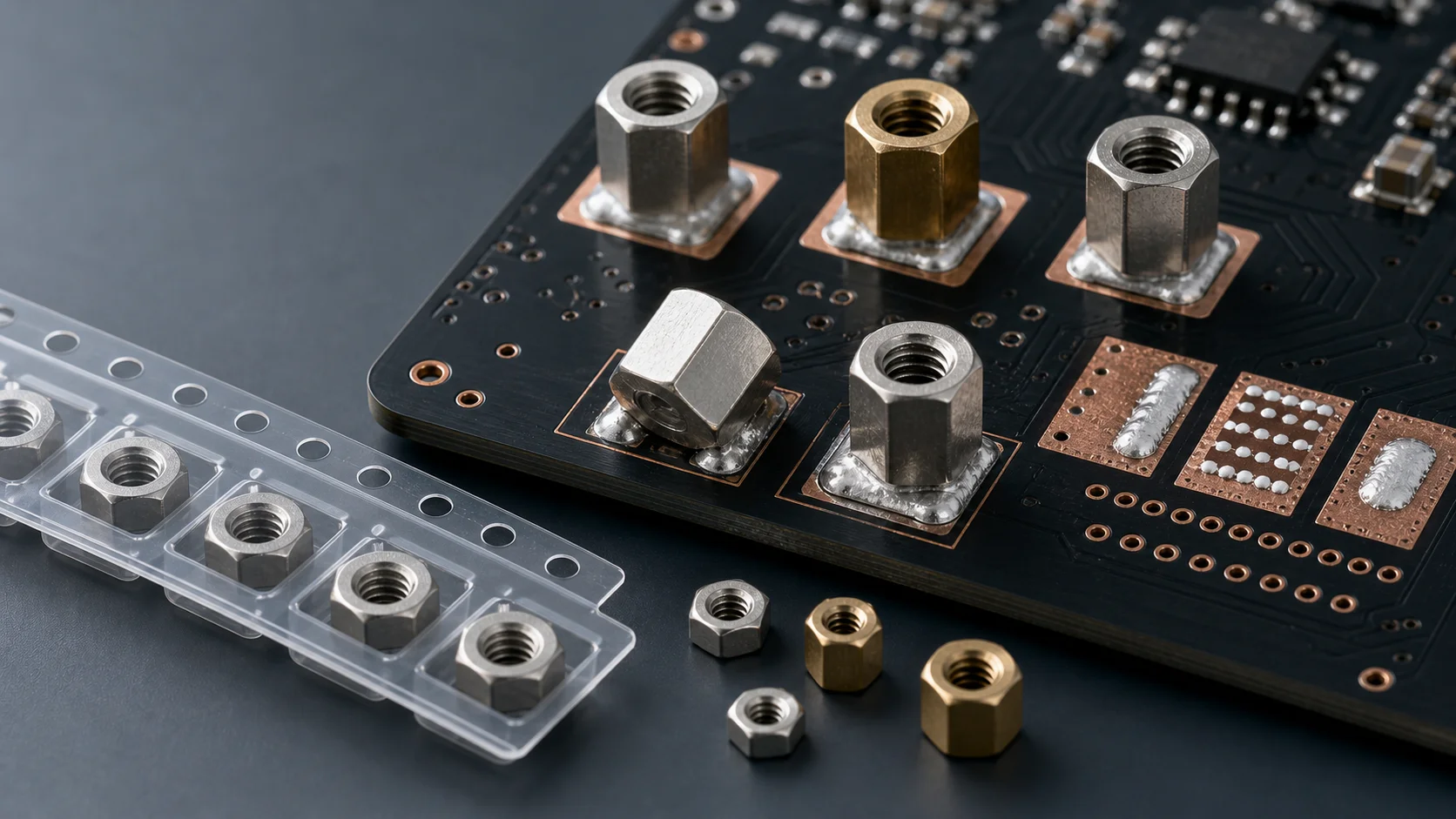
When SMT nuts float, tilt, show weak solder joints, or lose torque stability after reflow, the root cause is rarely the ...
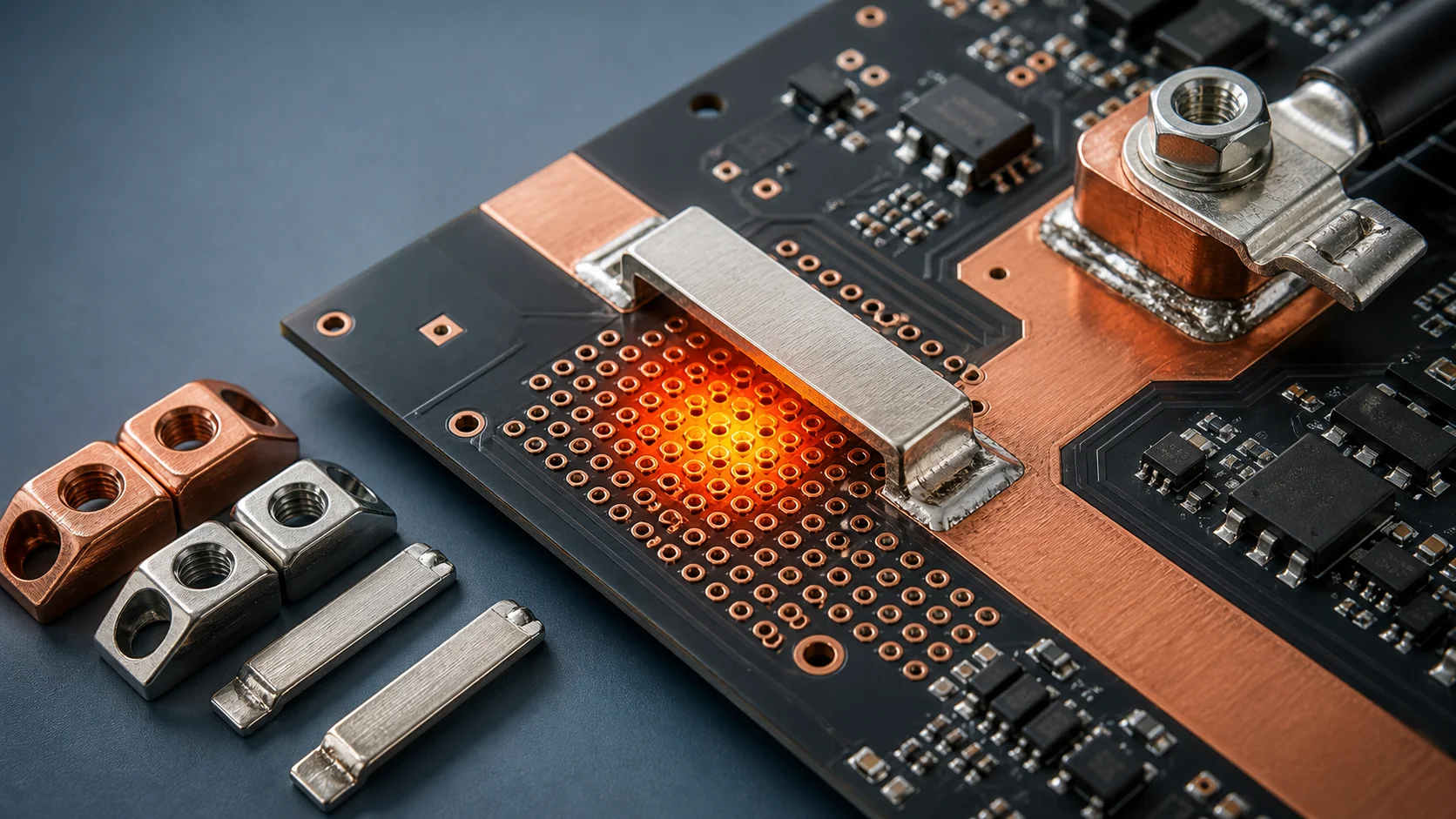
High-current PCB via-array heating is rarely caused only by having too few vias. It is usually the combined result of pa...
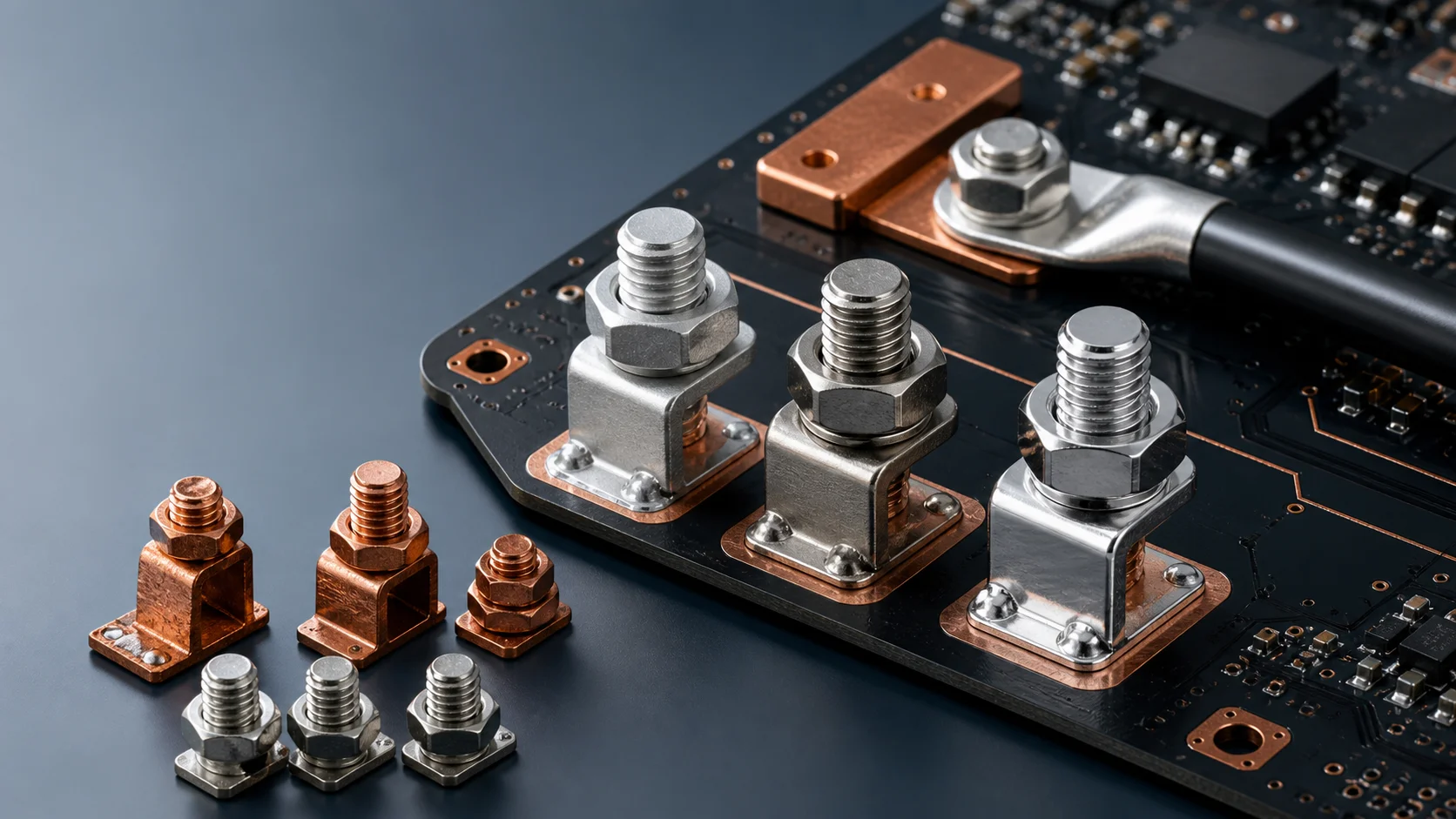
Welding-terminal plating is not simply a matter of choosing the most expensive finish. Tin, nickel, and silver plating s...