


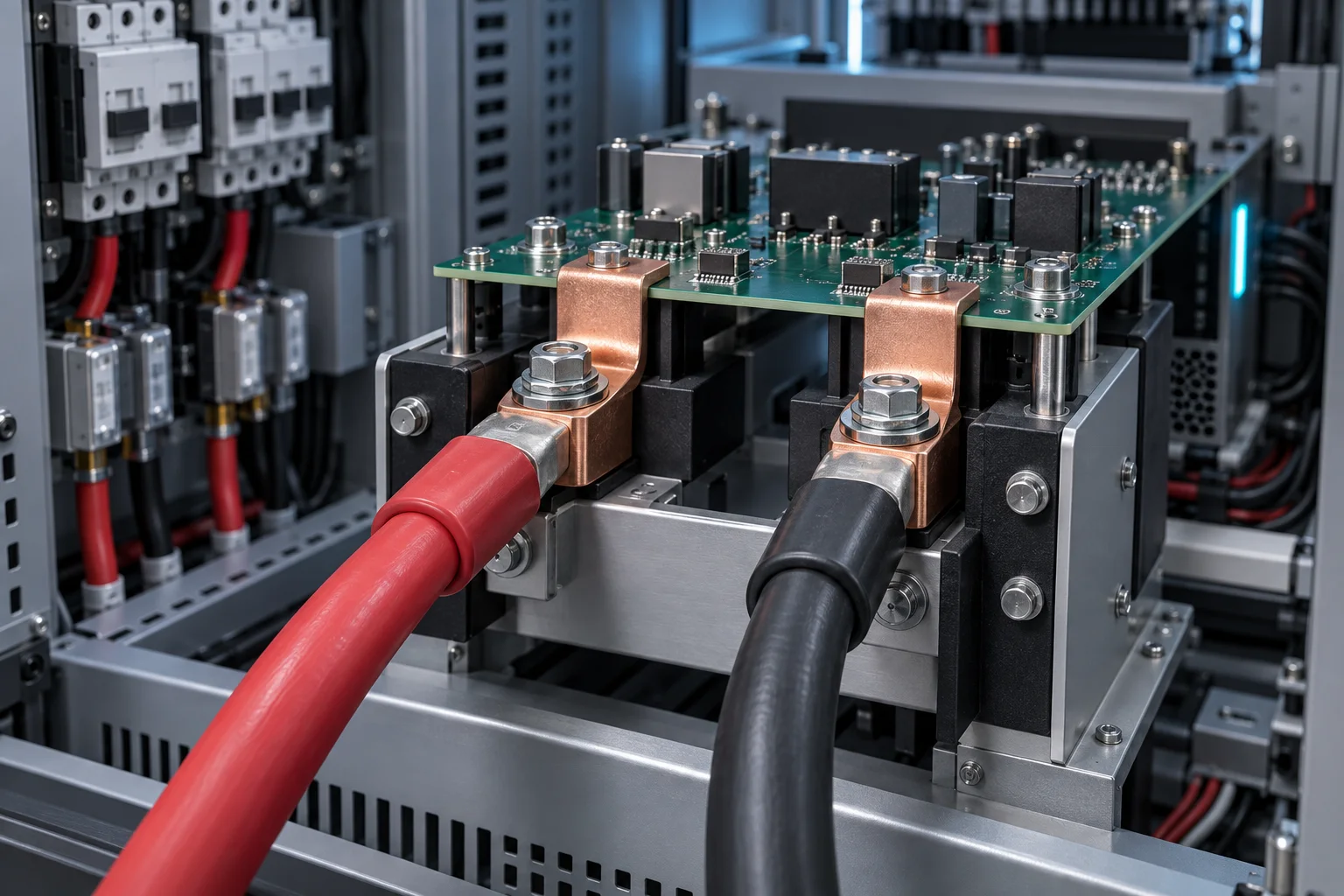
How to select PCB welding terminals for DC microgrid protection units: fault current, isolation and temperature validation
PCB welding terminals in DC microgrid protection units face continuous load, short fault current, contactor operation an...
Explore Hongchuan Metals technical guides, product information and company updates. Review PCB busbar, solder terminal and SMT nut selection considerations alongside the product catalog.
PCB welding terminals in DC microgrid protection units face continuous load, short fault current, contactor operation an...
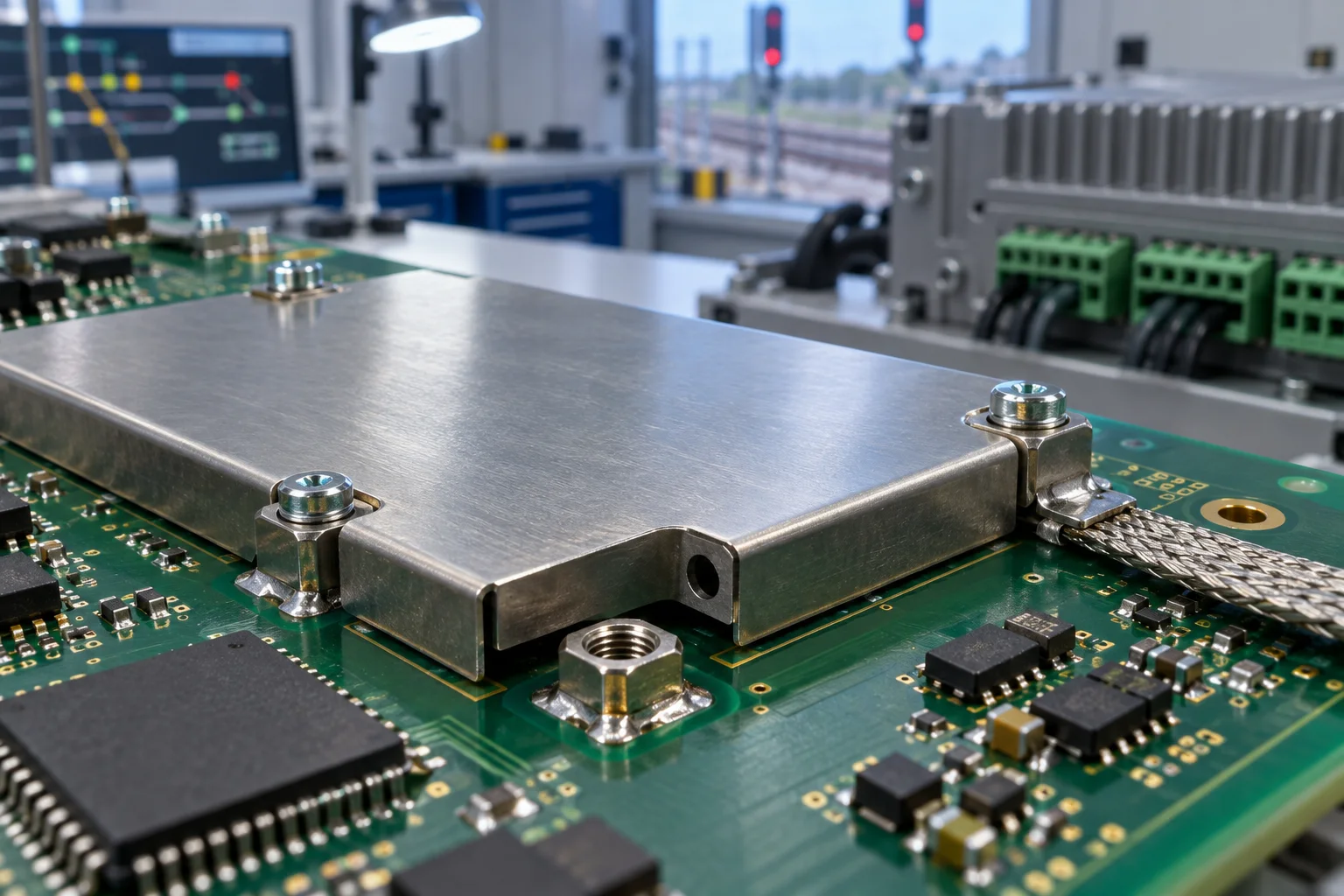
SMT nuts in railway signal controllers must support shield fastening, grounding continuity, vibration and repeated servi...
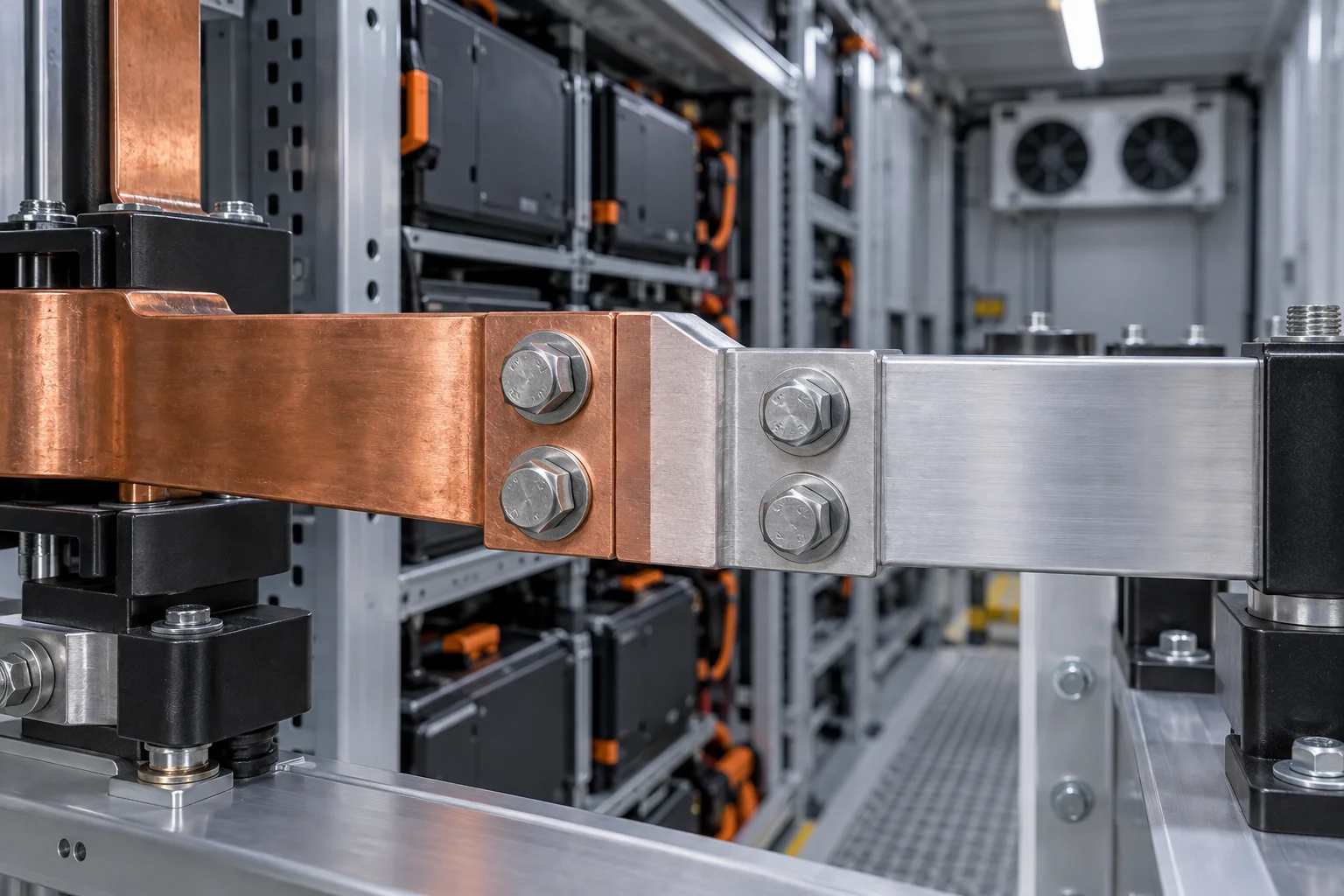
Copper-aluminum connectors in mobile energy-storage trailers face high-current cycling, road vibration, temperature chan...
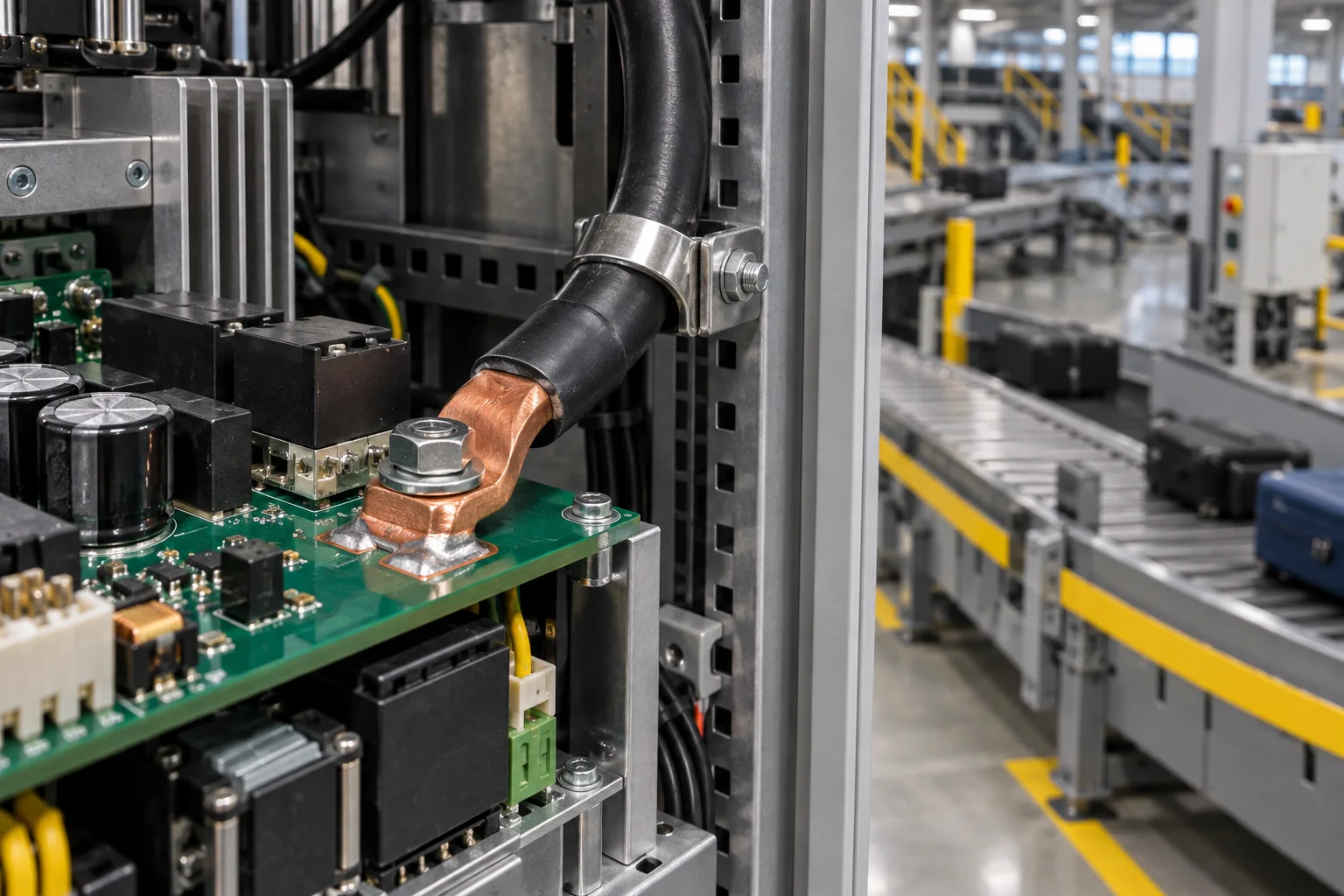
PCB welding terminals in airport baggage conveyor VFDs face frequent starts, jam current, vibration and service. This gu...
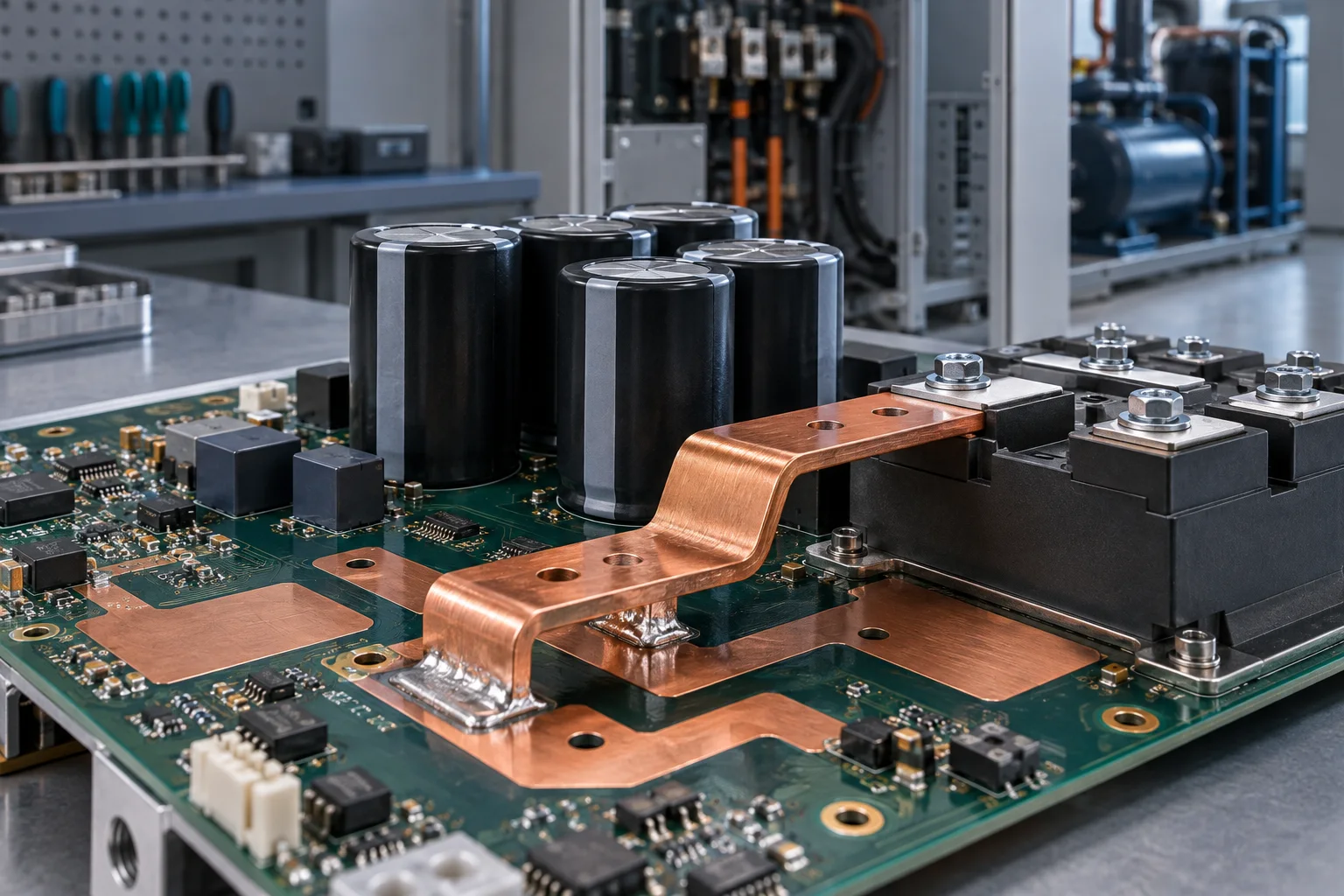
SMD busbars in industrial chiller compressor inverters face start current, DC-link ripple, load cycling and restricted a...
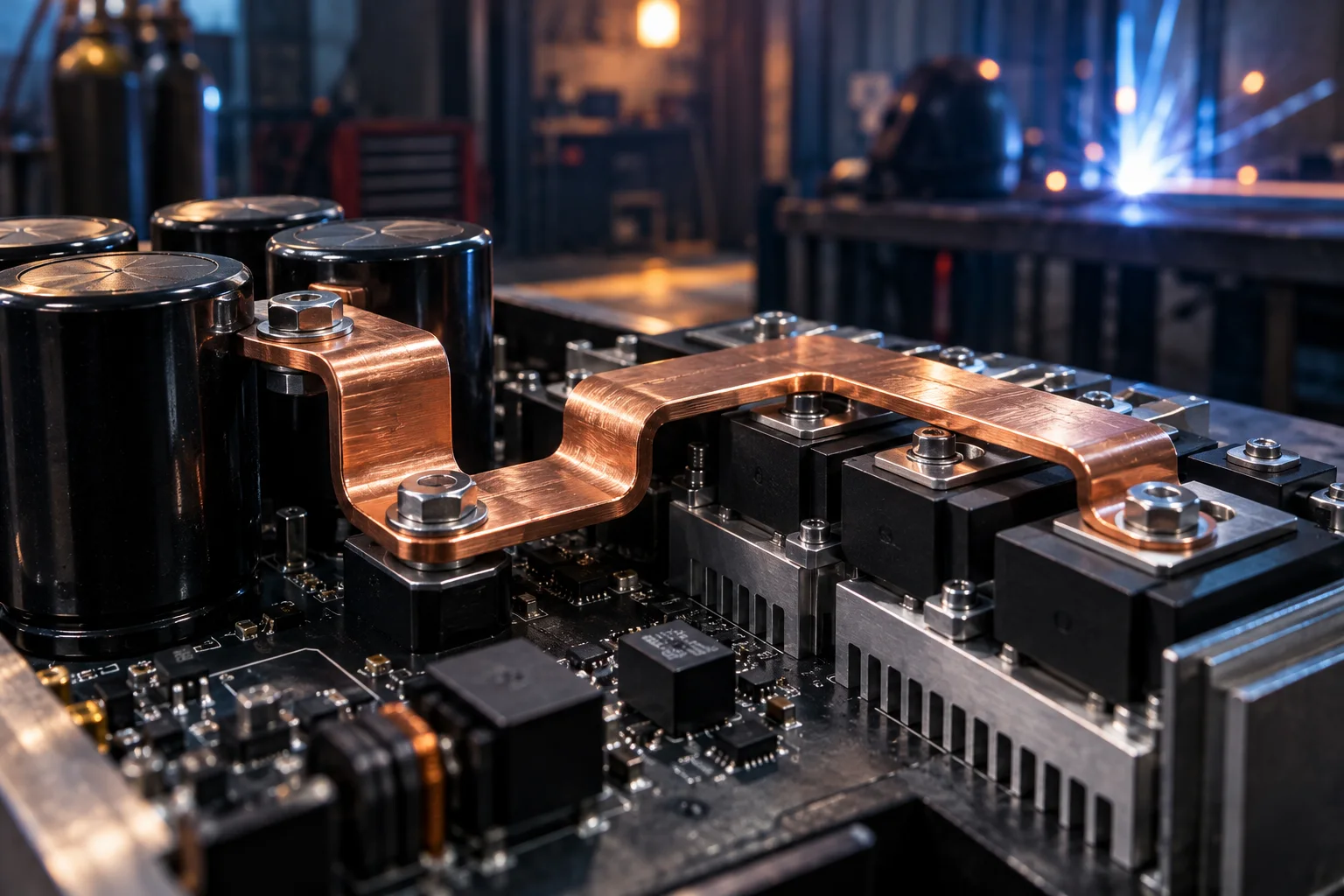
SMD busbars in arc-welding inverters face ignition pulses, duty-cycle changes, metal dust and frequent thermal cycling. ...
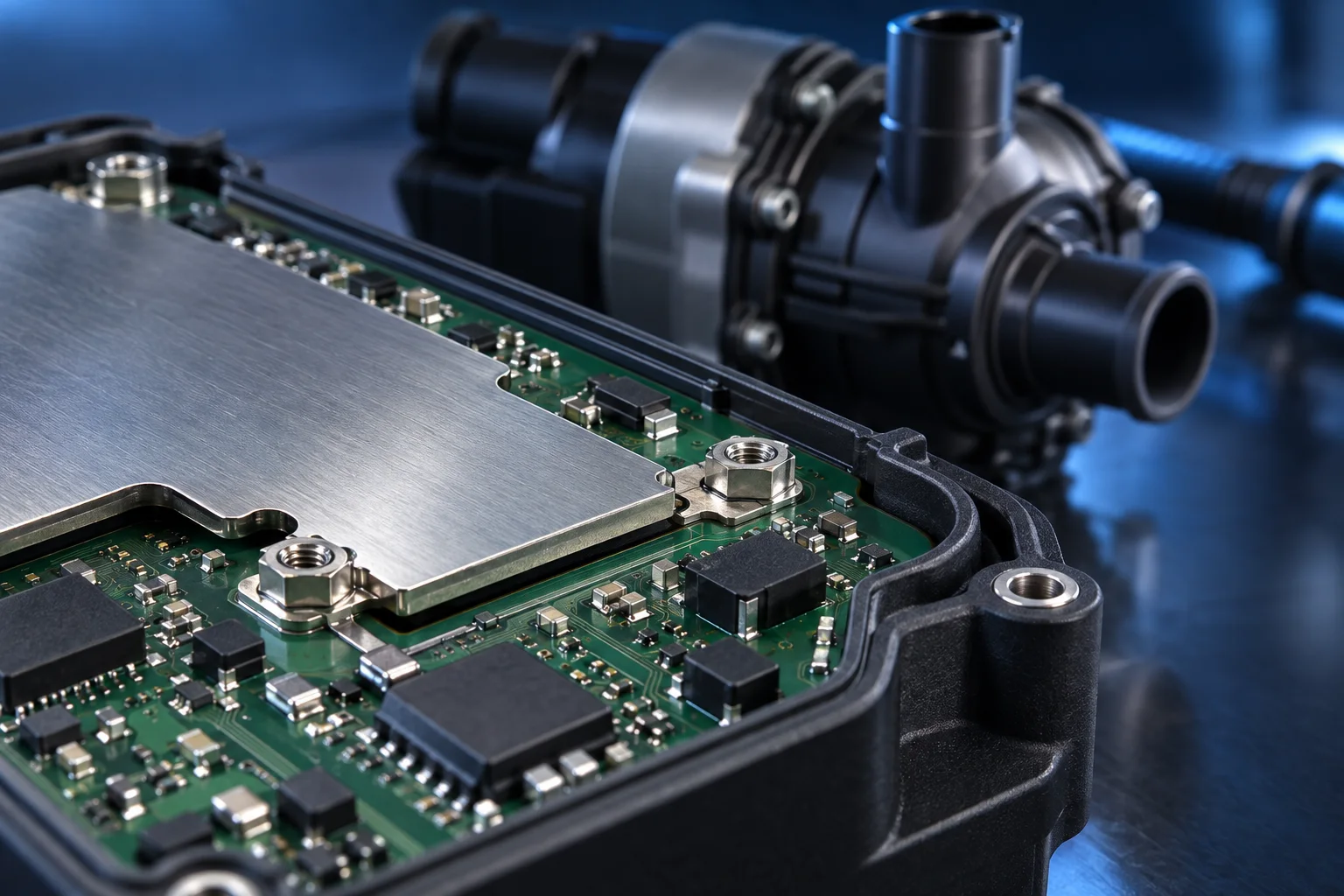
SMT nuts in EV coolant-pump controllers must support low-profile assembly, EMI grounding, vibration and service removal....
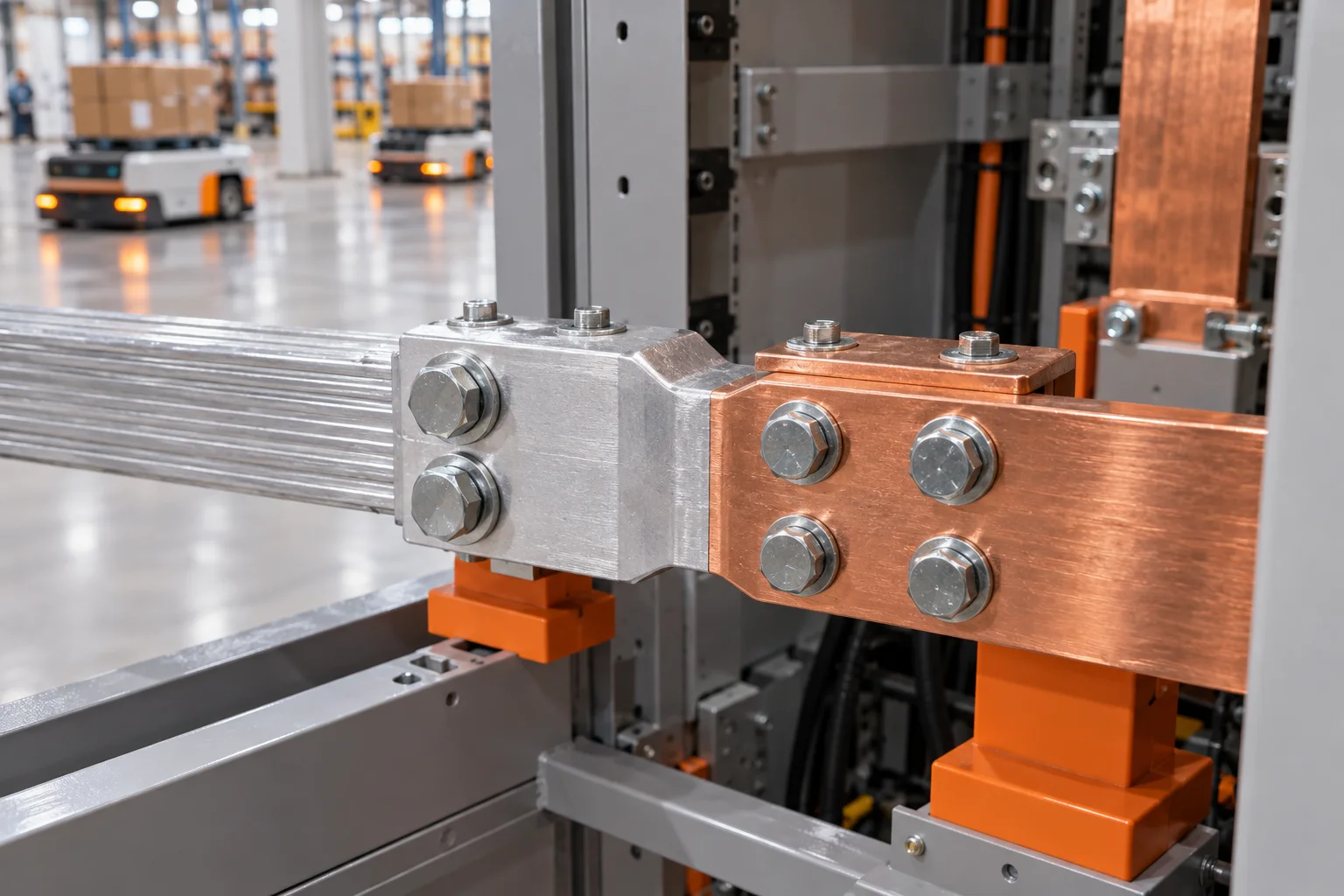
Copper-aluminum connectors in AGV fast chargers face frequent charge cycles, cable loads, warehouse dust and temperature...
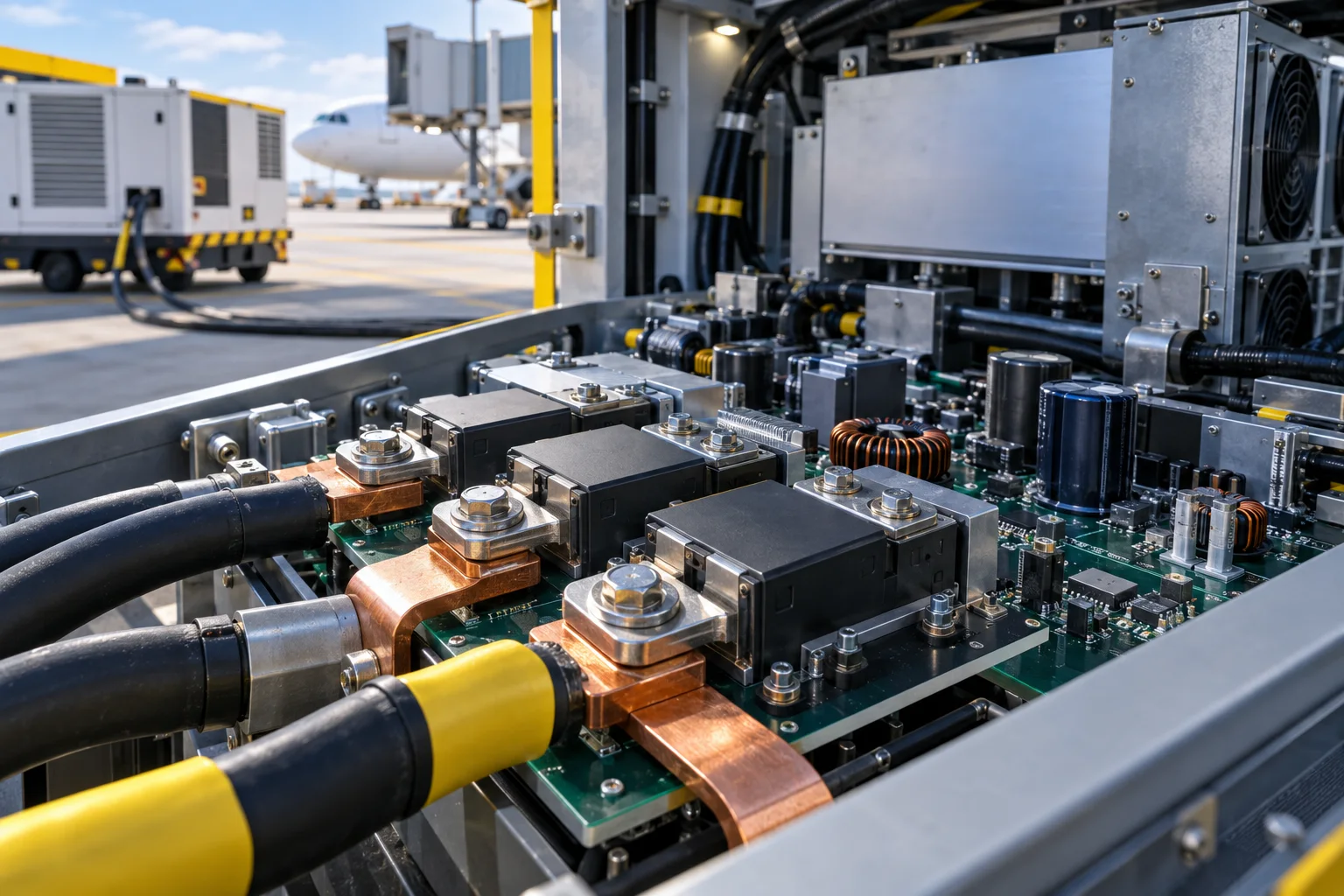
PCB welding terminals in airport ground power units face converter inrush, frequent connection, vehicle vibration and ou...
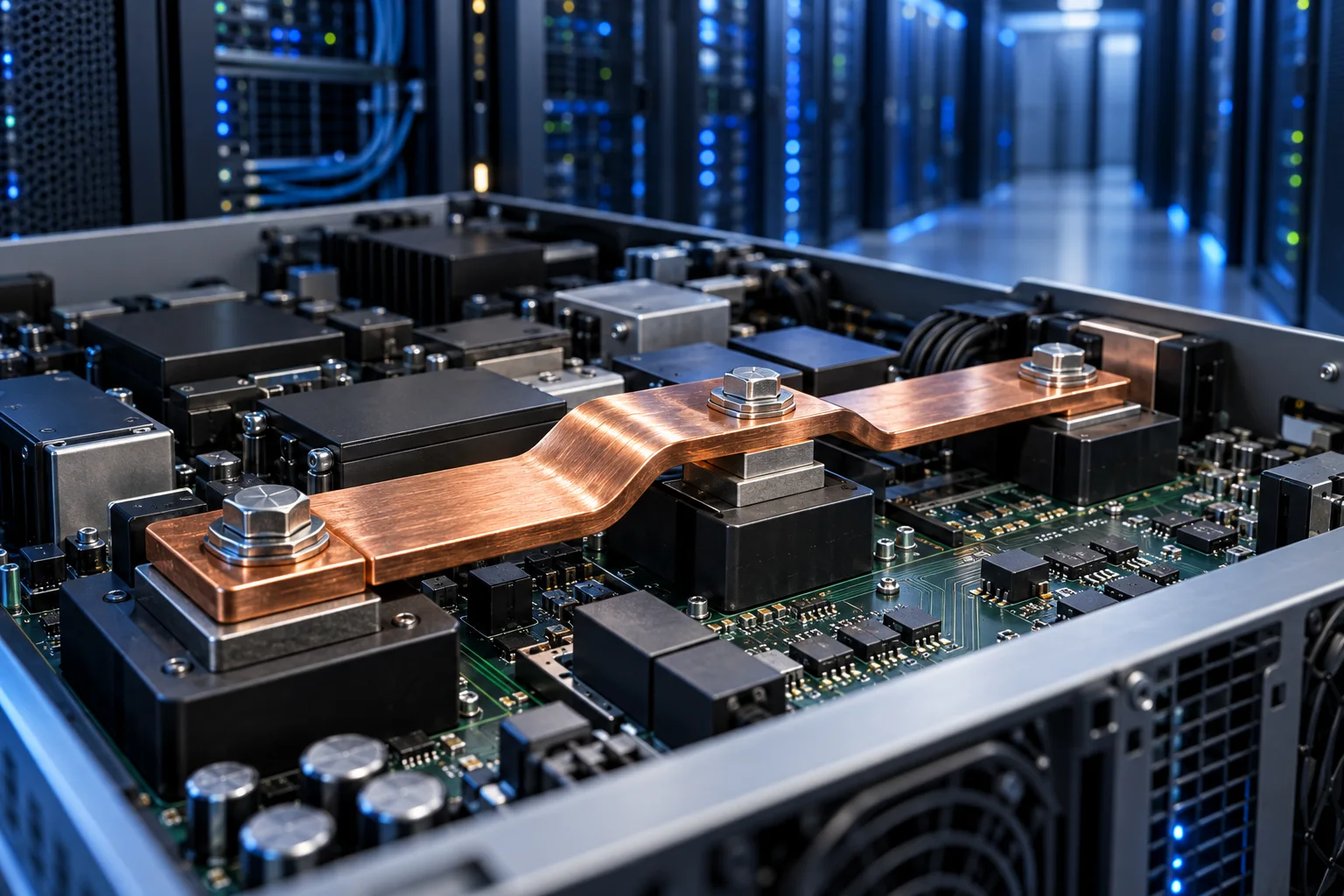
SMD busbars in 48V data-center power shelves handle dense parallel power, load steps, long operation and restricted airf...
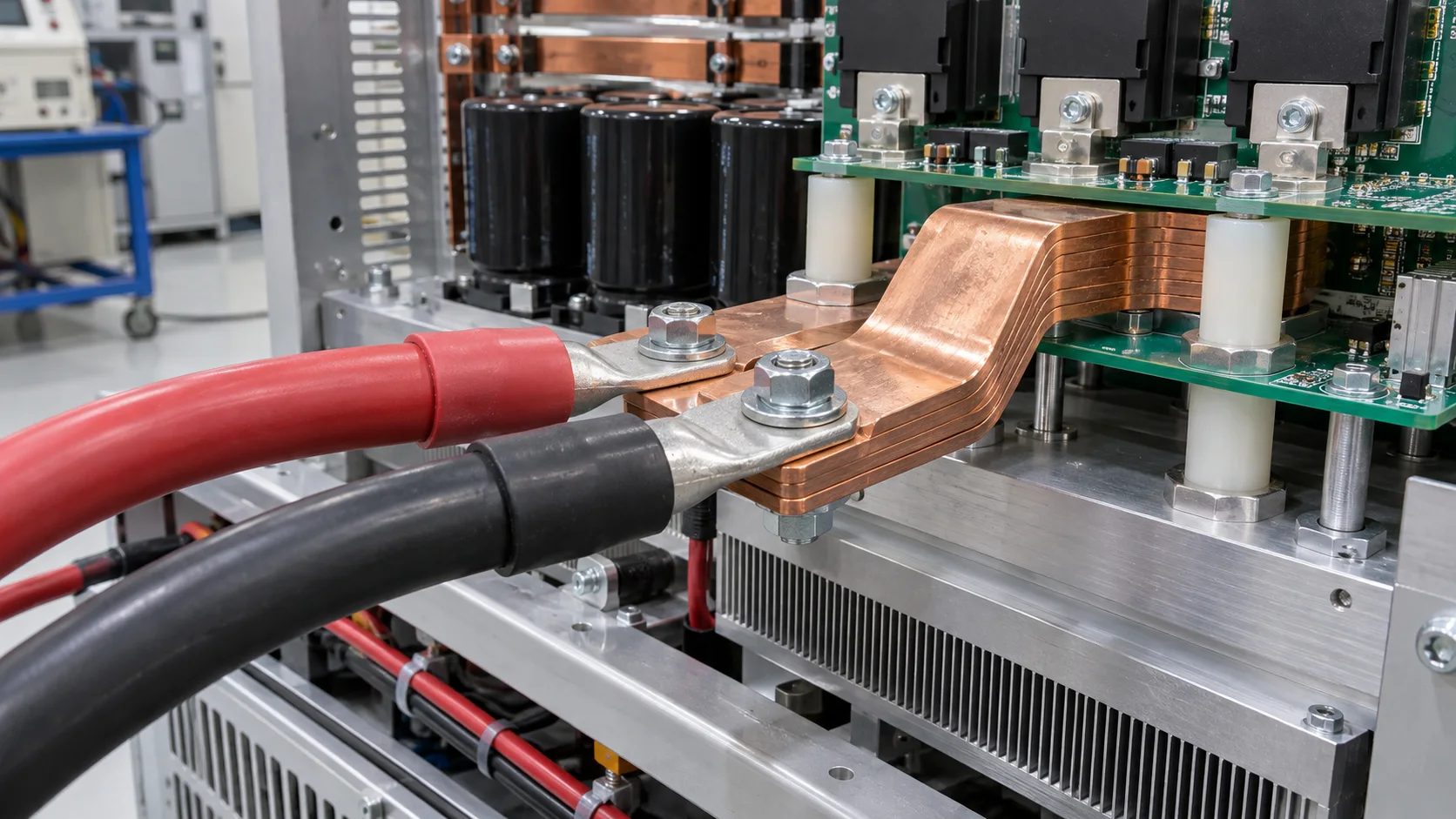
Copper-aluminum connectors in marine shore-power converters must remain stable under humidity, salt, vibration and high-...
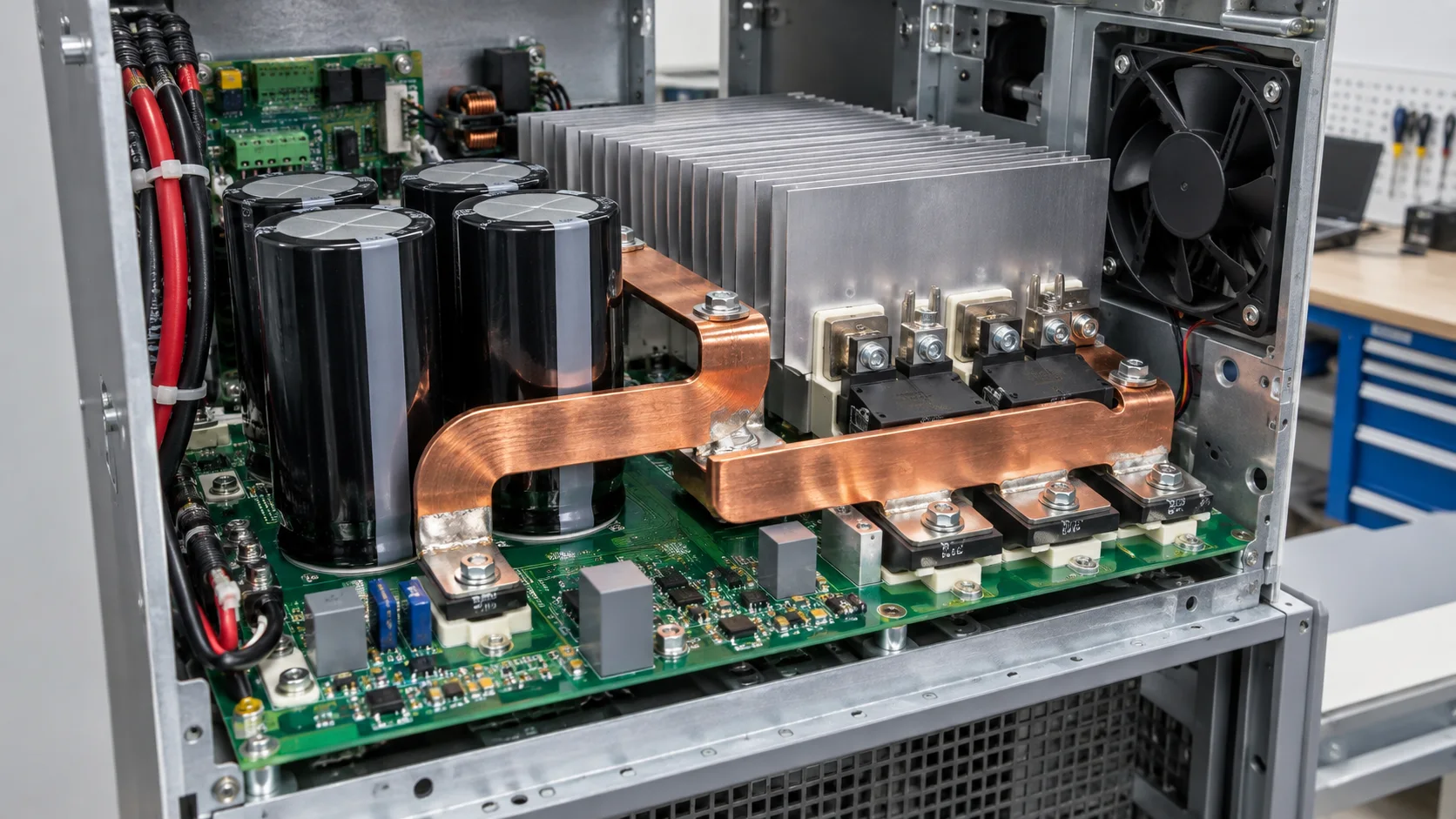
SMD busbars in industrial pump inverters handle motor starts, stall protection, continuous operation and cabinet heat. T...