


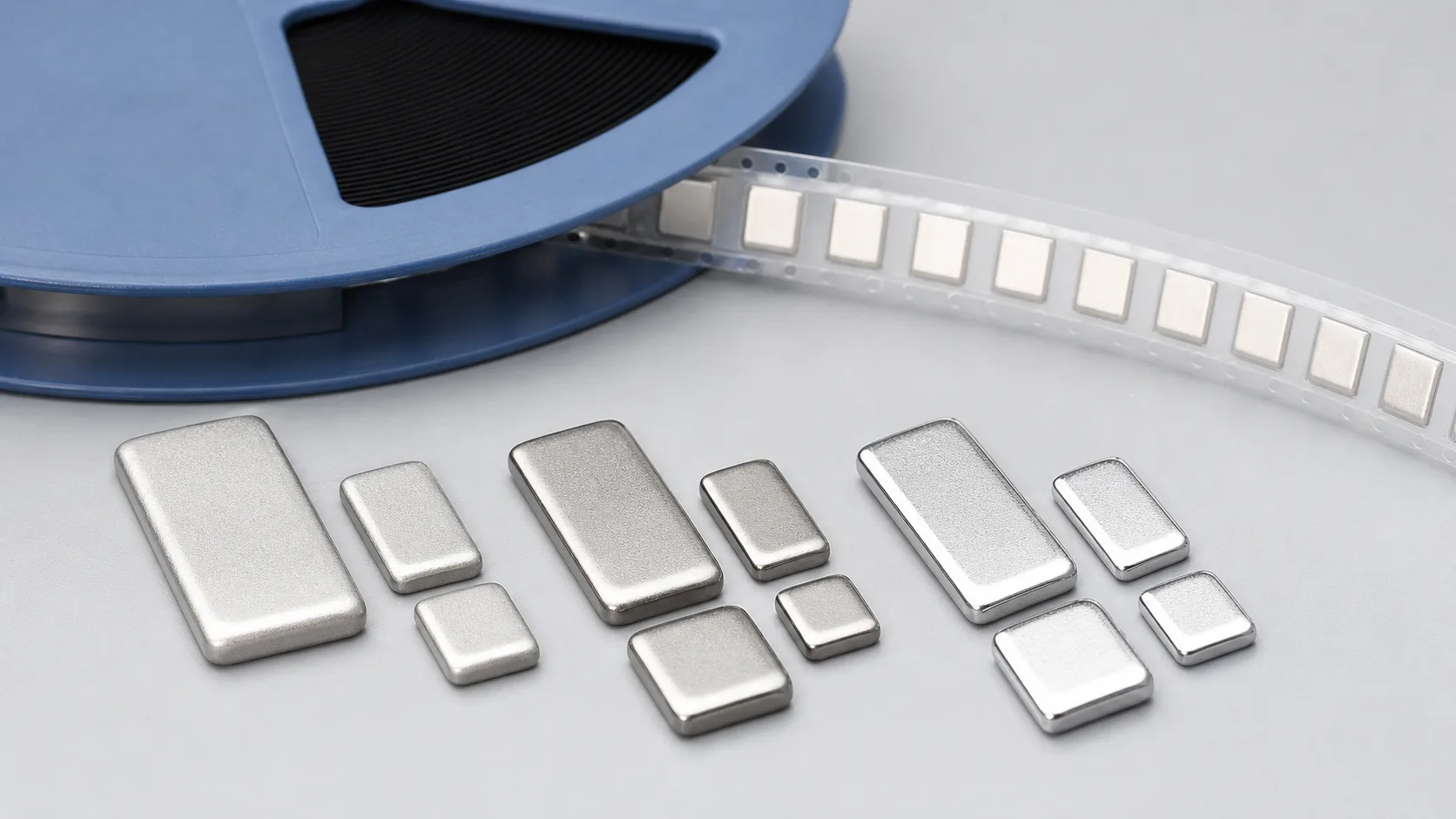
Quick answer: Plating for an SMD busbar should not be selected only by cost. Tin plating is usually practical for reflow soldering and general solderability. Nickel plating is useful as a barrier layer and for corrosion stability. Silver plating is attractive for low contact resistance, but cost, sulfuration and storage conditions must be reviewed. The real decision depends on soldering process, contact method, salt spray or humidity requirement, storage time and powered temperature rise.
Questions answered on this page
- When should tin, nickel or silver plating be used for SMD busbars?
- Why can solder wetting become worse after changing plating?
- How do salt spray, humidity and storage oxidation affect contact resistance?
- Is high temperature rise always caused by insufficient copper cross-section?
- What should be validated before production?
Engineering summary
- For reflow-soldered SMD busbars, solderability, storage stability and PCB pad compatibility matter most.
- For bolted, spring or terminal contact surfaces, contact resistance, surface hardness, wear and corrosion stability matter more.
- Nickel is often a barrier layer, not an automatic solderable finish. The soldering window must be confirmed.
- Silver offers low contact resistance, but sulfuration, packaging and cost must be controlled.
Application context
Engineering issues such as “SMD busbar tin or nickel plating”, “silver plated busbar contact resistance” and “SMD copper busbar poor solder wetting” usually come from prototype or production review. The issue is often solder yield, contact resistance after salt spray, storage oxidation, corrosion requirement or local temperature rise.
Hongchuan Precision Hardware supplies SMD busbars, welding terminals, SMT nuts and copper-aluminum connectors for high-current PCB hardware applications.
How to compare common finishes
| Finish | Best fit | Watch points |
|---|---|---|
| Tin | Reflow soldering, general solderability, cost-sensitive projects | Storage oxidation, tin whisker concern, post-salt-spray wetting |
| Nickel | Barrier layer, corrosion stability, surface hardness | Narrower solderability window; not always ideal for direct reflow |
| Silver | Low contact resistance and high-performance contact surfaces | Higher cost, sulfuration risk, packaging control |
Separate soldering surface and contact surface
An SMD busbar may have two critical surfaces: the surface soldered to PCB pads through solder paste, and the surface used for bolted, spring, terminal or external busbar contact. The soldering surface needs wetting and reliable solder joints. The contact surface needs low resistance, wear resistance, corrosion stability and pressure retention.
If one part needs both soldering and later electrical contact, define critical surfaces clearly on the drawing. Local or composite plating may be better than one finish across the whole part.
Failure checklist
| Symptom | Check first | Meaning |
|---|---|---|
| Poor reflow wetting | Finish type, storage time, flux activity, reflow profile | Solderability window mismatch |
| Contact resistance rises after salt spray | Plating pores, exposed copper edge, packaging, contact pressure | Electrical performance may degrade before obvious visual failure |
| Local temperature rise | Surface oxidation, pressure loss, current bottleneck | Not always a copper cross-section issue |
| Yellowing or darkening after storage | Humidity, sulfur environment, packaging material | Separate visual change from electrical degradation |
| Unstable contact after tightening | Hardness, roughness, washer, anti-loosening design, fretting wear | Plating and mechanical pressure must be reviewed together |
Validation before production
- Solderability test. Use real solder paste, stencil, reflow profile and PCB pads.
- Contact resistance test. Measure under real clamping force, washer and contact area.
- Retest after salt spray or humidity. Check appearance, contact resistance, voltage drop and temperature rise.
- Storage validation. Simulate packaging and warehouse time, then retest wetting and surface condition.
- Thermal cycling and vibration. Confirm plating, contact pressure and solder joints remain stable.
Review with other high-current hardware
Busbar plating often interacts with nearby parts such as welding terminals, bolts, washers, harness terminals or copper-aluminum transition parts. If plating systems are inconsistent, contact resistance may drift over time. For structural fixing, review SMT nut tightening torque and pressure retention as well.
FAQ
Does every SMD busbar need tin plating?
No. Tin is often practical for reflow soldering, but bolted contact or corrosive environments may require nickel, silver or composite plating.
Is nickel always more corrosion resistant than tin?
Nickel often provides stronger barrier performance, but solderability and cost must also be reviewed.
Is silver plating always the best option?
No. Silver can provide low contact resistance, but cost, sulfuration, packaging and customer requirements matter.
What can Hongchuan support?
Hongchuan can support SMD busbar material, thickness, plating, tape-and-reel packaging and sample validation. The selection guide is a useful starting point for high-current PCB hardware combinations.