


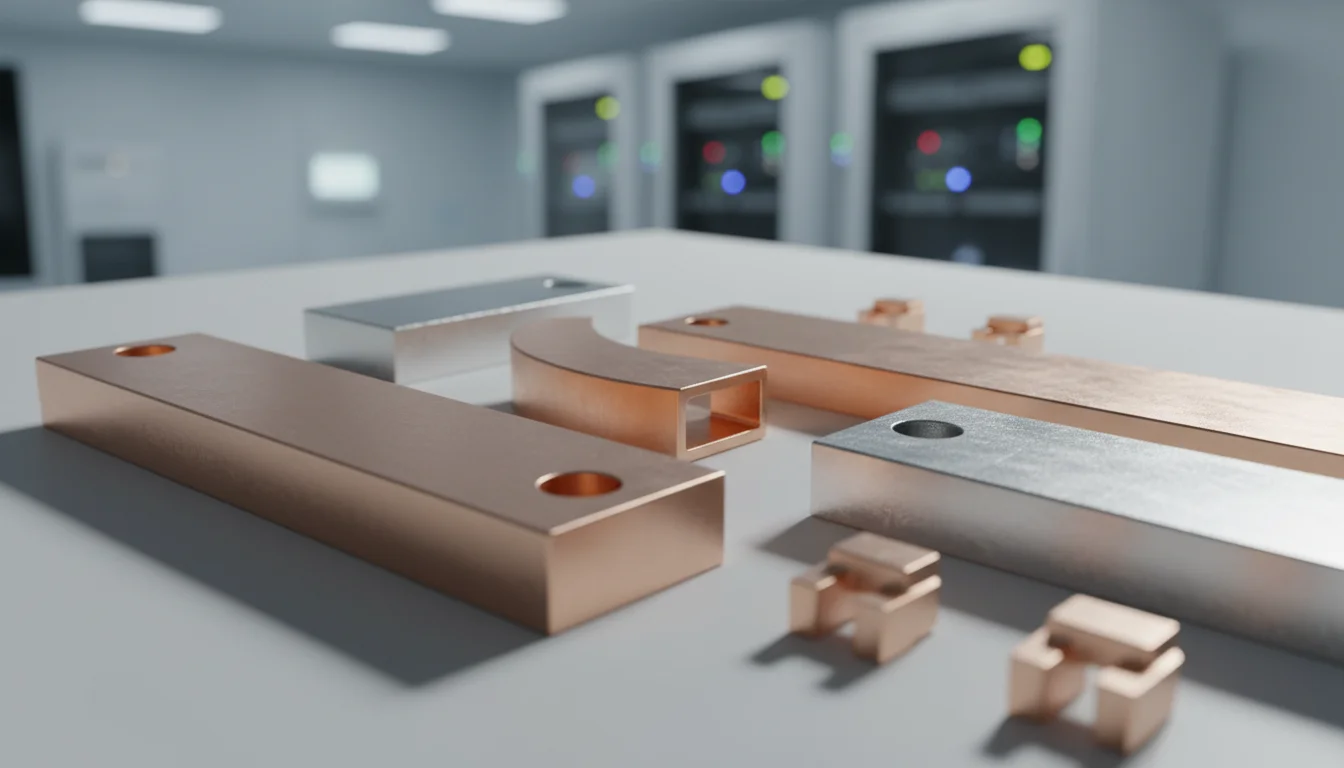
Surface Finishing Standards: Plating & Coating Specs for Chinese Stamping
Surface finishing standards for stamped parts define the plating thickness, adhesion, and salt spray resistance required for performance. Essential specifications include ASTM B545 for Tin plating (excellent solderability) and ASTM B689 for Nickel (corrosion protection), which manufacturers like Precision Stamping specialist HC-SP strictly adhere to, ensuring compliance with ISO/GB standards for reliable component longevity.
Why Surface Finishing Matters in Metal Stamping
In the electronics and automotive sectors, metal stamped parts are often more than just structural components; they frequently carry electrical current or ground signals. Untreated metals like copper or brass are prone to oxidation, leading to increased resistance or soldering failures. By utilizing standardized plating processes, manufacturers can significantly enhance product utility.
- Corrosion Resistance: Prevents the base metal from rusting in humid or chemical environments.
- Solderability: Ensures Welding/PCB Terminals bond perfectly with solder paste during reflow.
- Conductivity: Lowers contact resistance, critical for high-current efficiency.
- Wear Resistance: Increases the mating cycles of connectors.
Common Plating Types & Specifications Table
Choosing the right plating depends on the application environment. For example, when manufacturing SMD Busbars, HC-SP recommends selecting between Tin or Silver based on current load and thermal requirements.
Comparison of Plating Materials
| Plating Type | Common Standard (ASTM/GB) | Key Benefits | Typical Application |
|---|---|---|---|
| Matte/Bright Tin (Sn) | ASTM B545, GB/T 9797 | Low cost, excellent solderability, oxidation protection. | PCB Terminals, General Connectors |
| Nickel (Ni) | ASTM B689, GB/T 9798 | Hardness, corrosion resistance, diffusion barrier underplate. | SMT Nuts, Battery Springs |
| Silver (Ag) | ASTM B700, GB/T 9799 | Highest conductivity, handles high current, prone to tarnishing. | High-Power Busbars, EV Charging Contacts |
| Gold (Au) | ASTM B488, GB/T 9796 | Lowest contact resistance, superior oxidation resistance, high cost. | Precision Signal Contacts, High-Freq Data |
Bridging Chinese (GB) and International (ISO/ASTM) Standards
Understanding the correlation between Chinese National Standards (GB) and international norms is vital for global sourcing. HC-SP ensures that its Precision Stamping parts meet dual certification criteria:
- GB/T 9797 corresponds to ISO 2093 (Electroplated Tin)
- GB/T 9798 corresponds to ISO 1458 (Electroplated Nickel)
This dual compliance guarantees that regardless of destination, the surface quality passes rigorous salt spray tests (typically 24h, 48h, or 96h requirements without red rust).
Verifying Quality: What to Look For
Specifying a standard is not enough; verification is key. Reputable manufacturers provide data validation via:
- X-Ray Thickness Test: Confirms plating thickness (e.g., Tin is often 3-5µm).
- Adhesion Test: Uses cross-hatch or bending methods to ensure plating does not peel.
- Salt Spray Test: Simulates harsh environments to verify corrosion resistance.
If you are unsure about specific plating specs or require a custom finish, please Contact Us / Request Sample. The engineering team at HC-SP can provide a detailed Selection Guide to help you strike the best balance between cost and performance.